Rethinking Humanoid Robots
The next generation of humanoid robots may not resemble humans at all, with designs prioritizing functionality and adaptability, as exemplified by Genesis AI's innovative robot, Eno. This shift in design philosophy could significantly impact the future of robotics.
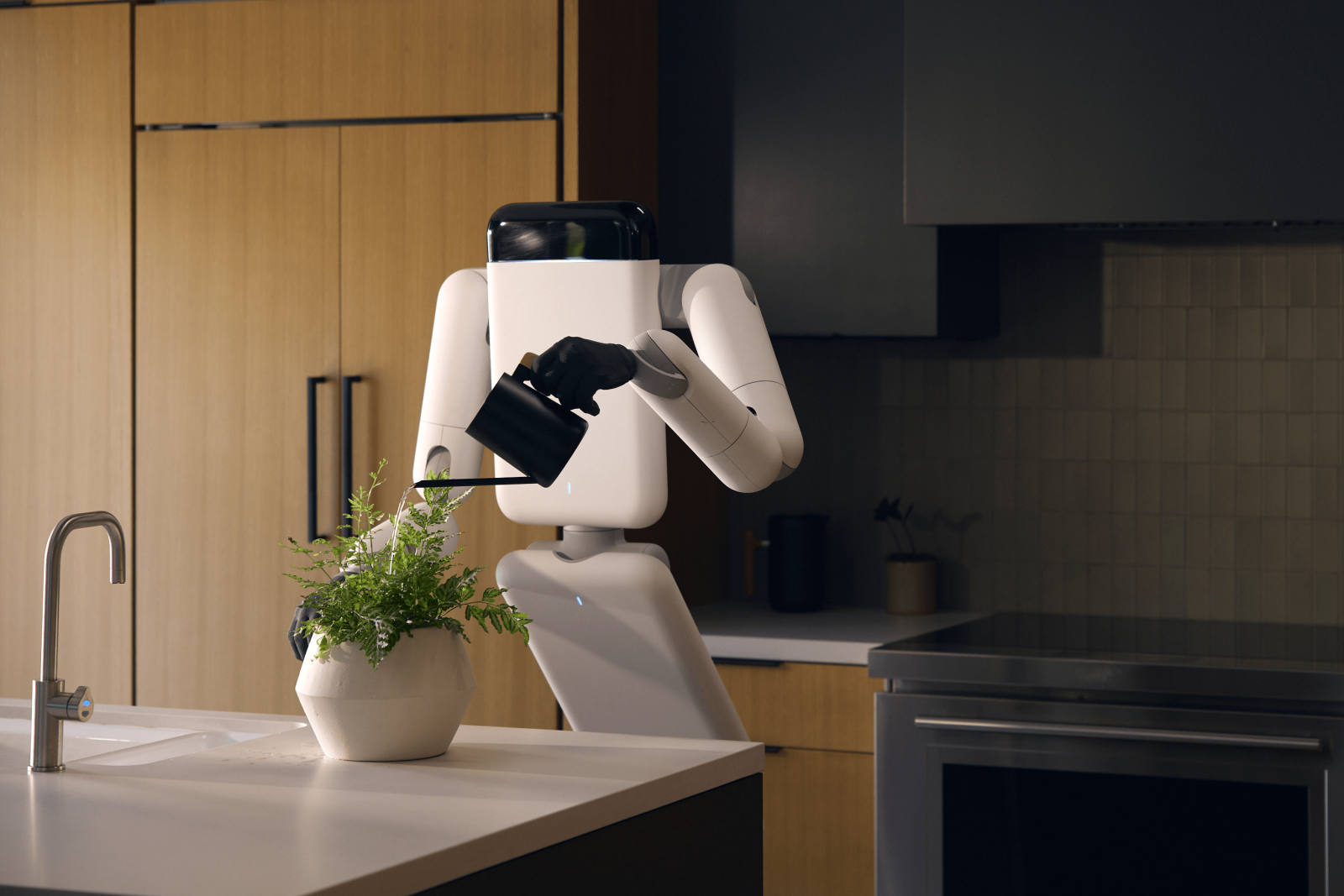
According to Genesis AI, the traditional notion of humanoid robots needing to look human is being reevaluated. Their new robot, Eno, embodies this concept with a design that departs from conventional humanoid forms. Eno can sit on a wheeled base and fold down like a deck chair, showcasing a focus on practicality and versatility.
The approach taken by Genesis AI underscores the evolving understanding of what makes a robot 'humanoid.' It's no longer strictly about mimicking human appearance but rather about creating machines that can interact with and adapt to human environments effectively.
Eno, the product of this innovative thinking, represents a step forward in robotic design. By embracing a more functional and less anthropomorphic design, Genesis AI opens up new possibilities for how robots can be integrated into various aspects of life.
This development is a testament to the rapid advancements in robotics and AI, where the emphasis is increasingly on creating machines that are not only intelligent but also highly adaptable and useful. As the field continues to evolve, it will be interesting to see how these new design philosophies shape the future of humanoid robots.
Recevez Morning Tech & AI
Chaque matin à 7h30, l’actualité IA du jour dans votre boîte mail.
S’abonner